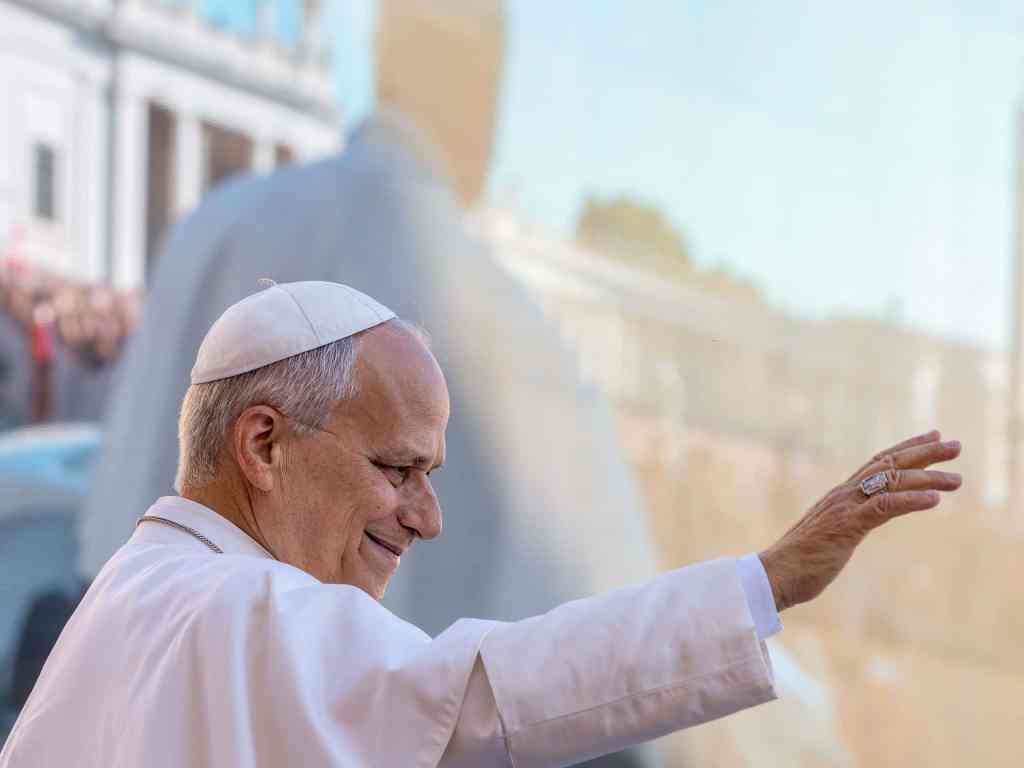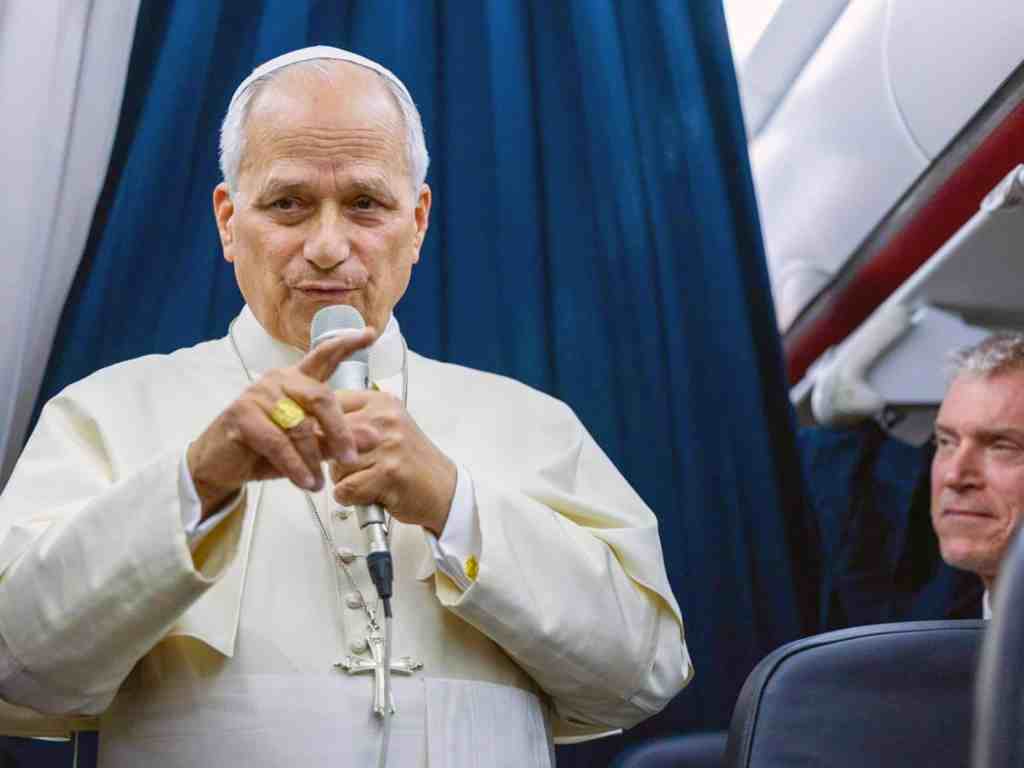
A Vatican conference on modern Christian martyrs concluded with a speech by Pope Leo XIV, who praised their witness and the evangelizing power of their simple, daily holiness.
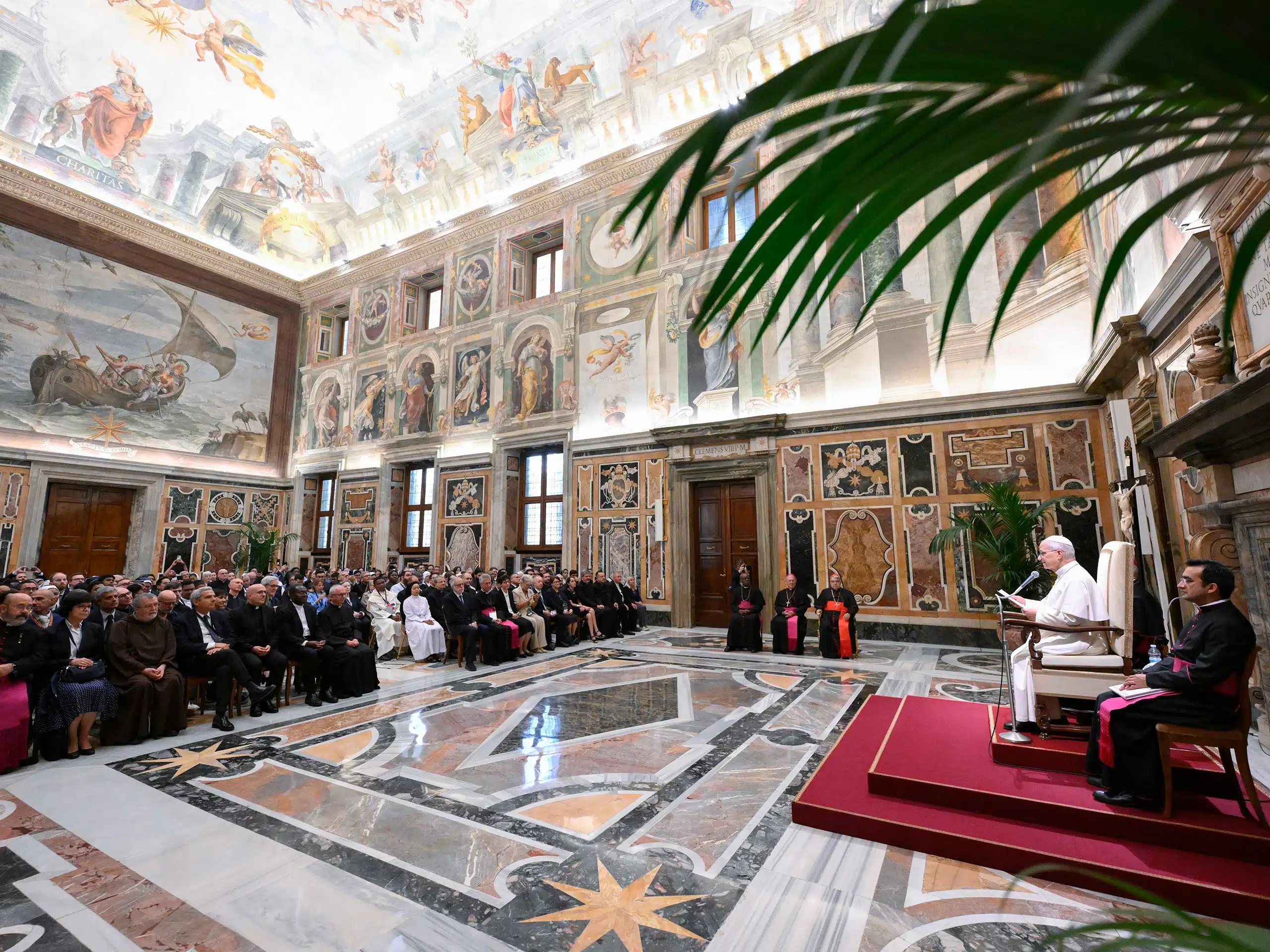
The pope held a private audience at the Vatican Sept. 16 with participants in the conference “The 21st Century: A New Time of Martyrs?” at the Patristic Institute Augustinianum in Rome from Sept. 15-16.
The conference, organized by the Dicastery for the Causes of Saints, discussed the ecumenical initiative “Commission for New Martyrs — Witnesses of the Faith” established by Pope Francis in 2023 to document the deaths of Christians of all denominations who have been killed for their faith since 2000.
Among the cases discussed was that of Sister Dorothy Stang, an American nun who was killed in Brazil in 2005 while serving the local population in the Amazon.
In his address, Pope Leo praised the dicastery’s work cataloging the lives of Christians killed for their faith and explained that their example can teach believers today to present the faith not as an ideology but as a way of life.
“The evangelizing strength of the new witnesses to the faith represents one of the church’s greatest resources for proclaiming the Gospel in today’s world,” Pope Leo said. “The witnesses to the faith do not propose an ideology but show a faith lived out in everyday life.”
He also explained the significance of those Christians to Catholics, saying they “are brothers and sisters who, in different geographical, historical and political contexts, have given their life for the Gospel.”
The pope also said that daily holiness — the holiness next door — can help Christians explain and defend their faith in arguments.
“In indifferent cultural contexts, ‘holiness next door’ and quiet heroism become powerful arguments, capable of speaking to everyone, even the most skeptical.”
Speakers at the conference included Cardinal Marcello Semeraro, prefect of the Dicastery for the Causes of Saints, and Cardinal Pierbattista Pizzaballa, Latin patriarch of Jerusalem.
Cardinal Pizzaballa, who delivered a speech on the suffering of Christians amid ongoing wars in the Holy Land, recounted his experience of explaining that suffering to Muslim students in Palestine.
“I agreed to meet with young people from the local university (in Palestine) who insisted I come,” Cardinal Pizzaballa said. “I had never experienced that before and was afraid. About 600 students were there, all Muslims. During the discussion, I expected political questions about the war. Instead, all the questions were about life, faith and Christianity.”
“When I said that Christianity rejects violence … , they stood up and applauded, saying they, too, are tired of living in a system of violence.”
Cardinal Semeraro, in his address, discussed the progress of the “Commission for New Martyrs — Witnesses of the Faith” initiative and emphasized the need to prioritize the sacrifice of Christians for the faith over theological debates.
“The blood of the martyrs comes before our theological dialogues,” Cardinal Semeraro said. “Where our Christian confessions still have wounds that need to be healed, the martyrs tell us that what is essential is already shared: the confession of Christ, even unto the gift of one’s life. This is called the ‘ecumenism of blood.’ “
Among the Christians mentioned at the conference was Sister Dorothy Stang, an American nun who was murdered in Brazil in 2005 for defending the land rights of the Indigenous peoples. In 2025, she became the first U.S. woman to be included in a permanent memorial in Rome for modern Christian martyrs.
Sister Nicoletta Spezzati, a consultor for the Dicastery for the Causes of Saints, described Sister Stang as a “woman of contemplative prayer” who understood that “the predatory devastation of the planet is not simply a moral offense but humanity’s rebellion against the Creator.”
Marcia Goodman, one of Sister Stang’s nieces, added that her life was rooted in the belief in a sustainable environment for all people.
“It’s especially powerful that Dorothy, a woman, is being recognized as a modern martyr,” Goodman said. “She led her life in the belief that all people matter and therefore deserve a place to call home.”
Besides Sister Stang, the impact of the U.S. terrorist attacks Sept. 11, 2001, on Christian persecution in Europe was also noted. Father Roberto Regoli, president of the Joseph Ratzinger Foundation, described those attacks as a precursor to a new scale of Christian persecution internationally.
“Twenty-five years ago, on Sept. 11, we remember the attacks on the Twin Towers. We remember the airplane that struck the Pentagon in Washington. From those years onward, there was an escalation of conflicts at the international level,” Father Regoli said.
“In the face of secularism, social difficulties, psychological difficulties, and religious tensions, there are men and women — religious and laypeople — who remain where they are. And perhaps this is itself a form of testimony: to remain in one’s place,” Father Regoli added.
Elias Turk contributed to this report.